Washington Wines
The lush and fertile valleys of Central and Eastern Washington are renown for sunshine, apples and world-class wines.
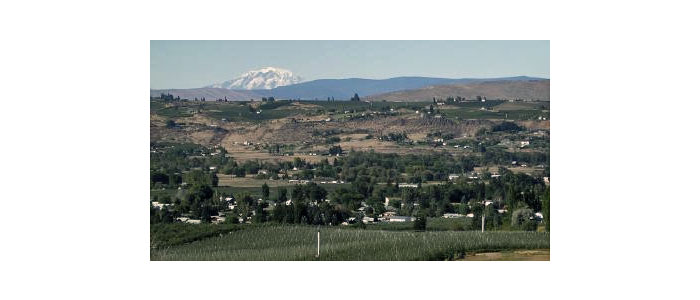
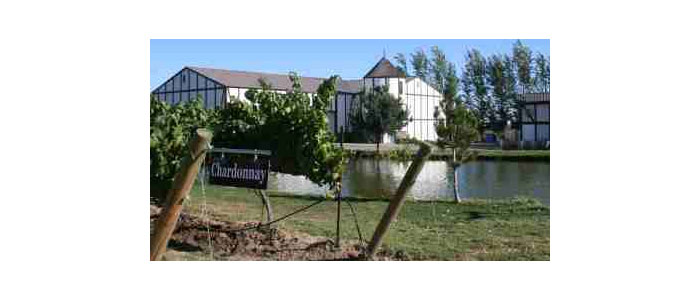
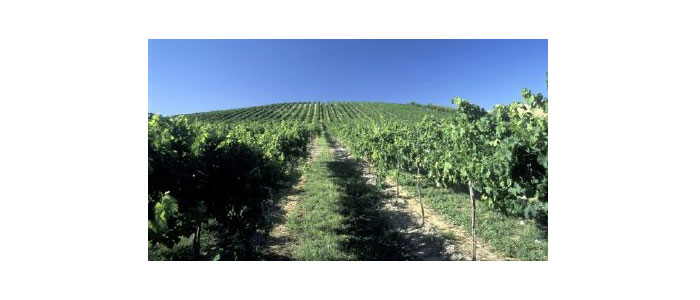
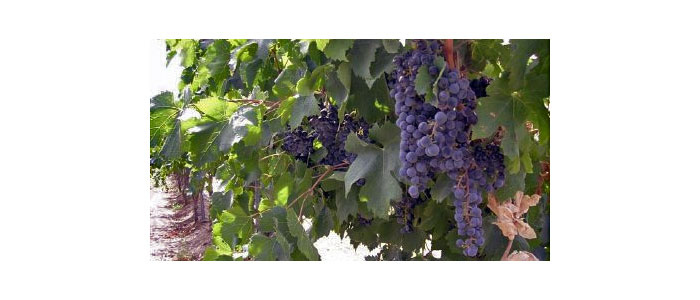
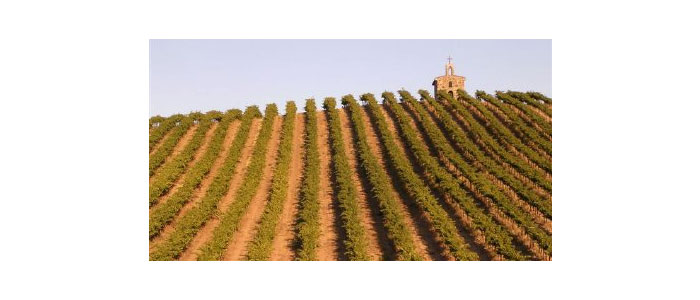
Washington state is the nation's second-largest wine producer. With a climate comparable to the finest wine-growing regions in France, Eastern Washington vineyards consistently produce grapes of the highest quality — attracting wine makers from all over the world.
Click here to learn more
about the Yakima Valley →


Wine Tips from Durella DeGrasse...

Marilee's long-time friend, Durella DeGrasse, is a certified wine professional and alumna of Central Washington University's World Wine Program. Here, Durella has shared her knowledge and experience with the delicious wines of Washington and other famous wine-growing regions of the world.
Click the links below to read Durella's articles...
The Sideways Spotlight
Of all the classic grapes, Pinot Noir is the most difficult to make into wine...
Barbera for Thanksgiving
I was reading a wine column a few weeks ago in which
the suggested wine for Thanksgiving dinner was Barbera. I didn't give it
much thought until I started thinking about the qualities of that
grape...
Sippin' Sancerre
Sancerre
combines the lively, fresh-picked, sometimes tart taste of kiwi and
other tropical fruits with a very special hint of minerals, making it a
can't-miss wine that's great with food....
Mapping New Territory
If
you're one who looks for new adventures in wine tasting, some day you
may walk into a wine store and see some or all of these words:
Blaufrankisch, St. Laurent and Zweigelt...
Little Sweet One
While
the name means "little sweet one," Dolcetto is dry, though very fruity.
It has relatively little acid and not much tannin, making it so easy to
drink it becomes almost gulpable....
Hidden in the Aisle of Whites
If
you've become accustomed to drinking chardonnay or sauvignon blanc,
your taste buds are in for a tasty surprise with a Savennieres...
American Zinfandel
The zinfandels in America are often called America's grape because no place in Europe produces a wine by that name...
Sweets for Your Sweet
If you think sweet wines are heavy and cloying, try one of the three I recommend here...
Tre Venezie
Freshness, crisp acidity and purity of varietal character personify the wines of Tre Venezie...
South America's Star
What do the Argentinians drink with their national culinary treasure? Their national vinous treasure: malbec...
Gavi and Verdicchio
The
American consumer seems to have settled on two fundamental profiles for
their white wines: big, oaky and a bit sweet (Chardonnay) or very
clean, crisp and juicy (Sauvignon Blanc and Pinot Grigio). Gavi and
Verdicchio don't fit those profiles...
Small Region, Big Tastes
Ribera
del Duero is a region of harsh intensity with blistering summers and
winters that are fiercely cold. The tinto fino is a grape variety that
thrives on such stress, creating wines that are not shy...
An Informal Wine's Uncomplicated Charm
Montepulciano d' Abruzzo is an Italian wine "to drink," not "taste." So instead of swirling, sniffing, tasting... just enjoy it!
Wine Faults
Simple explanations for any wine drinker who has encountered a wine that smelled like nothing one would want to drink...
Sparkling Wine for Thanksgiving or Christmas
Tips for choosing the right sparkling wine for Thanksgiving or Christmas gifts...
The Other Washington
You may be surprised by these facts about wines made in Washington state...
Before You Taste
Uncorking, aerating and decanting. These three steps can enhance your enjoyment of any wine...
Stocking an Everyday Wine Cellar
With
twelve wines for any occasion, all tucked into a simple wine rack in
the bottom of your pantry, you're ready for anything...
From Vine to Wine
How
does mere grape juice become the stuff of poetry and legend? Just what
are the steps a winemaker takes and what happens in the cellar?...
Professional Wine Tasting Tips
To
taste wine like a professional, you must learn to be a deliberate
taster. And beyond that, you must be able to describe what you taste...
Pairing Wine with Food
When
pairing food and wine, the goal is synergy and balance. The wine should
not overpower the food, nor should the food overpower the wine...
Drink American for Thanksgiving
Thanksgiving
dinners are so varied that it's impossible to suggest a
one-size-fits-all wine, but this is an American holiday so stick with
American wine...
Going Beyond Beer at Summer Barbecues
Summer
is a challenging season for wine drinkers. Consider why so many people
drink beer at summer events - it's refreshing and thirst-quenching.
There are a number of light, refreshing wines for summer, however...
Selecting Wine for a Party
When planning a party and wine is on your list to serve, here's some advice for selecting the right wine...
Fortified Wines
Fortified
wines have had grape spirit (brandy) added either before, during or
after fermentation, which raises the alcohol content and also changes
the flavor profile, making a very unique and distinctive wine...
What Makes Great Wine Great?
Those
of us who drink wine on a daily basis (it's part of my job...I'm doing
research!) don't think too much about the five elements of a "great
wine" but rather just want to enjoy a glass or two of wine while making
dinner and to enjoy with the meal....
Bordeaux Classifications
The
regional classifications of Bordeaux are extremely complicated -- and
are different from one region to the next, even though the terms used
may be the same or similar...
Champagne
The
reason Champagne is held apart from, if not above, all other bubblies
is not necessarily because it's better but because the region is
unique...
Chianti
"Chianti"
is one of those words that makes people smile. For wine drinkers and
food lovers in the 1960s, Chianti was romantic, earthy, and fit the
Bohemian esthetic (and budget)...
Sicilian Il Vino
Italy
ranks first in the world in wine production, and Sicily is often the
most productive and largest region - 10,000 square miles...
From Sicily to Southern Italy
It
was in Campania that the Greeks introduced three of the south's most
impressive grape varieties: aglianico, fiano and greco. All three
varieties thrive in the volcanic soils northeast of Mount Vesuvius...
Wines of The Loire
The
Loire is one of the largest and most diverse wine regions in France.
Virtually every type of wine is produced there -- still and sparkling,
dry and sweet, red, white and rose...
Wines of Alsace
Alsace
is a rare wine region devoted almost exclusively to white wine -
riesling, gewürztraminer, pinot gris, muscat and pinot blanc...
The latest from Marilee Brothers

Next up:
Eve's Downfall
The sequel to
A Woman Scorned
Click here to
read an excerpt

Copyright 2007-2018 - Marilee Brothers. All rights reserved.
Website built by Jonelle Mejica, Write Mind.